
-
- The keyword era (2000s): As search engines advanced, the focus shifted to optimizing the actual content on a page using keywords. However, tactics were still simplistic, often relying on excessive keyword density and spammy link-building practices.
-
- The “Dark Ages” and the rise of AI (2010s): Google’s algorithm updates, such as Penguin, began to penalize spammy tactics, marking a shift towards rewarding high-quality backlinks and user experience. This period also saw the rise of mobile search, leading to mobile-friendly updates like Mobilegeddon in 2015.
-
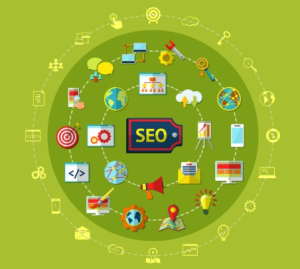
- The modern SEO era (2015–present): SEO became a much more holistic practice. Key elements include:
-
- Semantic SEO: Understanding user intent and context through Natural Language Processing (NLP) rather than just matching keywords.
-
- User experience: Focusing on site speed, mobile-friendliness, and providing value to the user.
-
- Content marketing: Creating high-quality, engaging, and unique content that satisfies user queries.
-
- Technical SEO: Optimizing the technical aspects of a website, including crawlability, mobile optimization, and fast loading times.
-
- Local SEO: Optimizing for local searches, often through platforms like Google Business Profile.
-
- The modern SEO era (2015–present): SEO became a much more holistic practice. Key elements include:
-
- The AI revolution (2020–present): AI is increasingly integrated into search and SEO. With the rise of “zero-click” answers, marketers are shifting their focus to building brand presence and reputation within AI-driven systems, alongside continued optimization for traditional search results.
SEO has evolved from a focus on keyword stuffing and meta tags to a user-centric discipline emphasizing semantic search, user experience, and mobile optimization. Early SEO involved simple on-site keyword optimization and basic off-site directory listings, but modern SEO incorporates technical elements, high-quality backlinks, content strategy, local SEO, and the latest AI-powered advancements to create a more comprehensive, holistic strategy.